
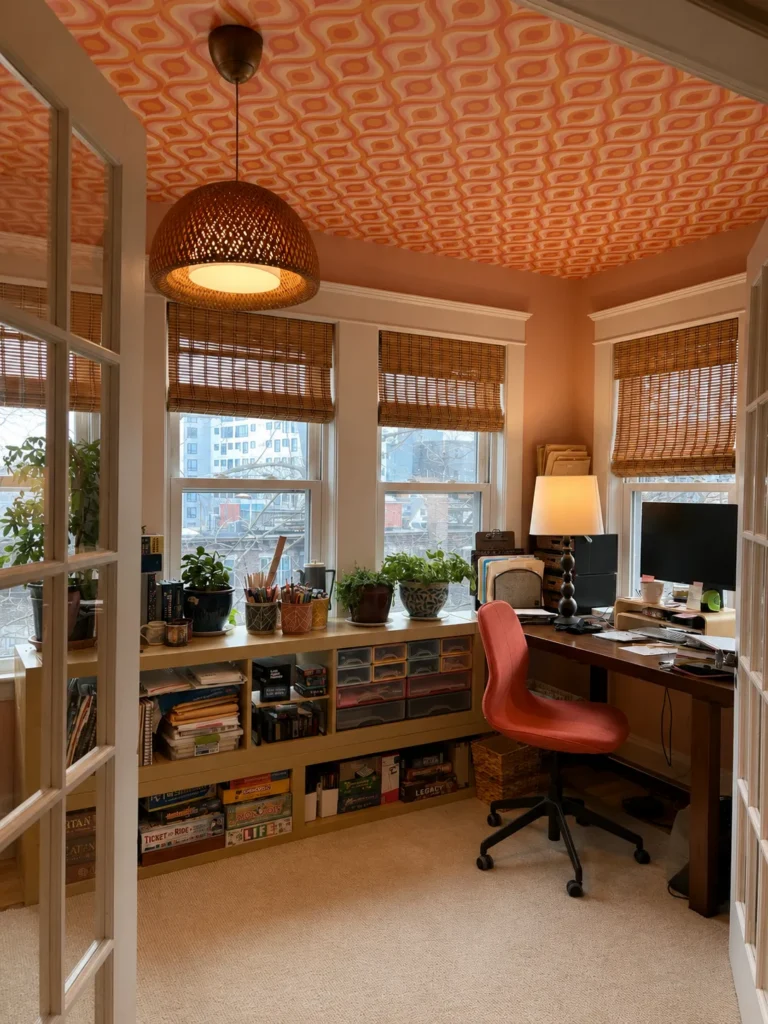
room can be beautifully furnished and still feel incomplete.
The furniture may be carefully chosen. The lighting may be warm. The colors may work together. And yet, something can still feel missing.
Often, the answer is on the walls.
Wallpaper has the ability to change more than the appearance of a room. It can influence atmosphere, create depth, introduce movement, and give a space a stronger sense of identity. From subtle textures to expressive patterns, the right wallpaper can transform the way a room is experienced.
More Than a Decorative Finish
Wallpaper is sometimes treated as the final detail in an interior project. In reality, it can become one of the most defining elements of the entire space.
A soft textured wallcovering can make a bedroom feel warmer and more intimate. A botanical pattern can bring energy and movement into a dining room. A refined geometric design can add structure to a modern office or living space.
The impact goes beyond color.
Texture, scale, pattern, light, and placement all work together to influence how the room feels.
“The right wallpaper does not simply decorate a room. It gives the space a point of view.”
Texture Creates Depth
One of the most powerful qualities of wallpaper is its ability to add visual depth without changing the architecture of a space.
Textured wallcoverings can interact beautifully with natural and artificial light throughout the day. Subtle reliefs create shadows. Woven finishes add warmth. Metallic details can introduce soft reflections that change as you move through the room.
This makes the wall feel less like a background and more like part of the design itself.
Small Details Can Make a Significant Difference
Not every transformation needs to be bold.
In many interiors, the most sophisticated results come from restraint. A quiet texture, a soft neutral pattern, or a subtle variation in tone can completely change the atmosphere without overwhelming the space.
The goal is not always to make the wallpaper the loudest element in the room.
Sometimes, the best choice is the one that quietly brings everything together.
Pattern Can Define Personality
Patterns have a unique ability to communicate character.
Botanical designs can create a sense of nature and movement. Large-scale murals can turn a wall into a focal point. Traditional motifs can introduce elegance and history, while contemporary patterns can make a space feel more dynamic and unexpected.
When choosing a pattern, consider:
- The size and proportions of the room
- The amount of natural light
- Existing furniture and finishes
- The atmosphere you want to create
- How the pattern will interact with doors, windows, and architectural details
The right selection should feel intentional within the entire composition of the space.
The Importance of Scale
One of the most overlooked aspects of wallpaper design is scale.
A small pattern can create rhythm and detail, while a large-scale design can dramatically change the perception of a room. In some spaces, oversized patterns can make the environment feel more immersive. In others, a delicate repeat may provide exactly the right amount of visual interest.
There is no universal rule.
The best result depends on the architecture, the design concept, and the feeling the room is meant to create.
Professional Installation Changes the Final Result
Even the most beautiful wallpaper depends on proper installation.
Precise pattern matching, clean seams, careful surface preparation, and attention to architectural details all influence the finished appearance. Corners, windows, doors, outlets, and transitions require experience and planning.
A professional installation allows the material and design to look the way they were intended to look.
At Dekore Wallpaper, every project is approached with care, precision, and respect for the vision behind the space.
A New Way to Experience Your Space
Wallpaper can make a room feel warmer. More expressive. More refined. More personal.
It can create a dramatic transformation or introduce a subtle layer that changes the entire composition.
The possibilities are nearly endless, but the most successful spaces begin with the same idea: choosing a design that feels right for the people who experience it every day.
Because a wall is never just a wall.
With the right design, it becomes part of the story of the space.